



Assam is a premier tourist destination in Northeast India, renowned for its diverse wildlife, sprawling tea gardens, and rich cultural heritage. The state is home to the world-famous one-horned rhinoceros and the largest river island in the world.
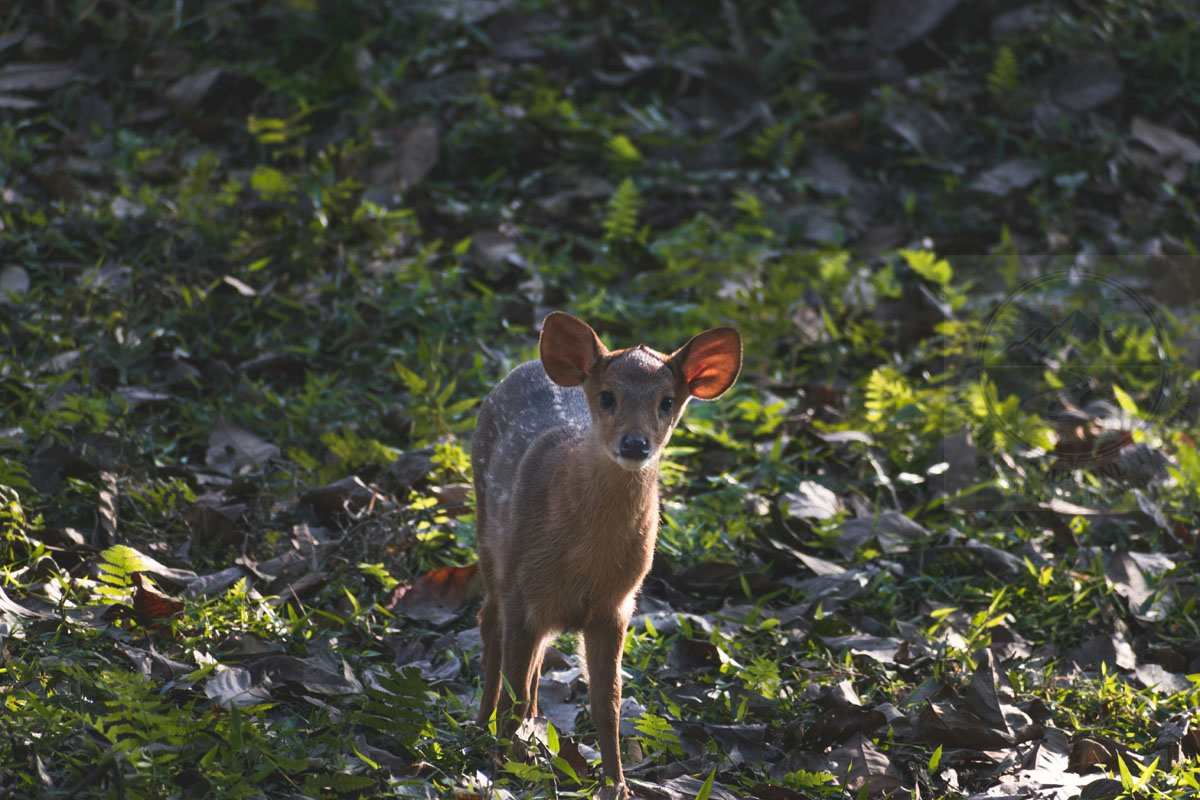
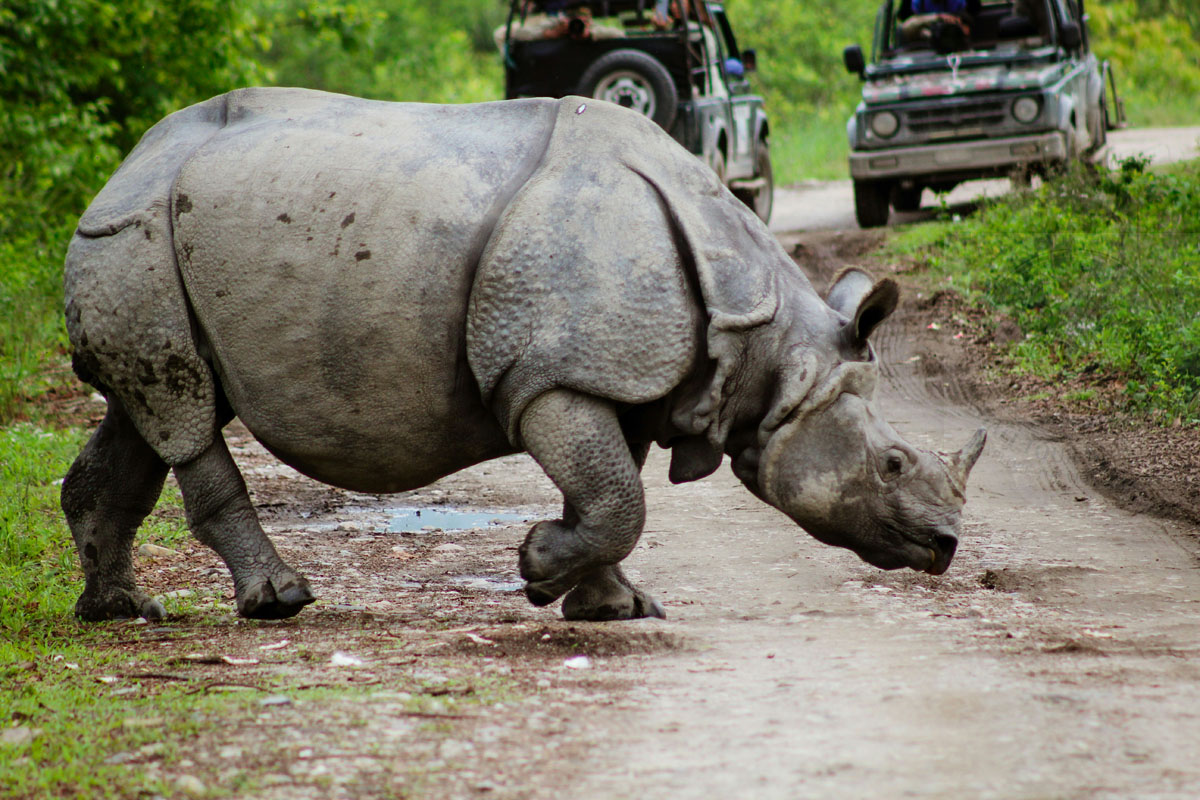
A UNESCO World Heritage Site and the most iconic attraction in Assam, hosting two-thirds of the world's great one-horned rhinoceros population. Visitors can explore the park via jeep or elephant safaris between November and April.
Another UNESCO site located at the Himalayan foothills, known for its population of Bengal tigers, golden langurs, and pygmy hogs.
Located just 30 km from Guwahati, it has the highest density of one-horned rhinos in the world and is a popular spot for day trips.
Ideal for adventure seekers, offering river rafting on the Jia Bhoroli River and forest trekking to spot the rare white-winged wood duck.
A unique forest near Jorhat that is the only home to India's hoolock gibbons and the nocturnal Bengal slow loris.
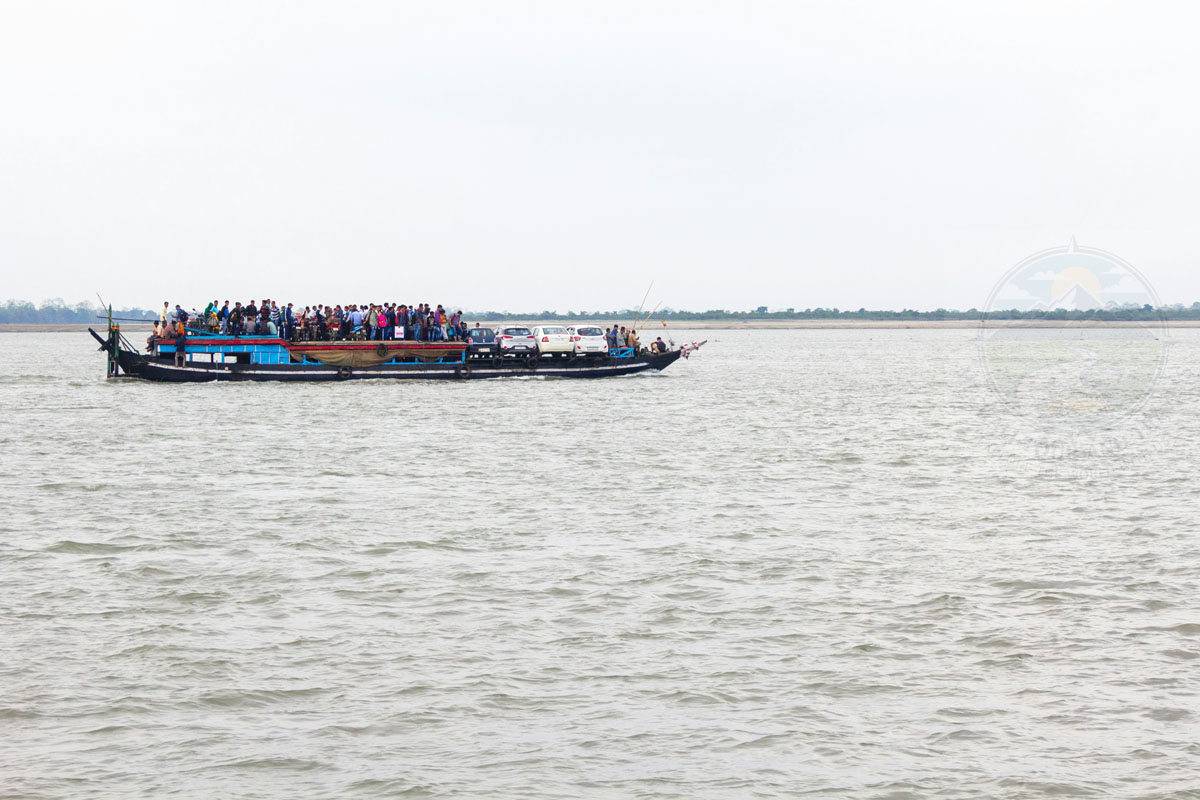
The world's largest river island, known as the cultural capital of Assam. It is famous for its Sattras (monasteries), where traditional mask-making and neo-Vaishnavite art are preserved.
The former capital of the Ahom Kingdom, featuring historic monuments like the Rang Ghar (one of Asia's oldest amphitheatres) and the multi-storeyed Talatal Ghar palace.
One of the oldest and most revered Shakti Peethas in India, situated atop Nilachal Hill in Guwahati.
A picturesque Shiva temple located on the smallest inhabited river island in the world (Peacock Island) in the middle of the Brahmaputra River.
Arunachal Pradesh, the "Land of the Dawn-Lit Mountains," is home to diverse attractions ranging from high-altitude Himalayan passes and ancient Buddhist monasteries to dense tropical rainforests and vibrant tribal valleys.
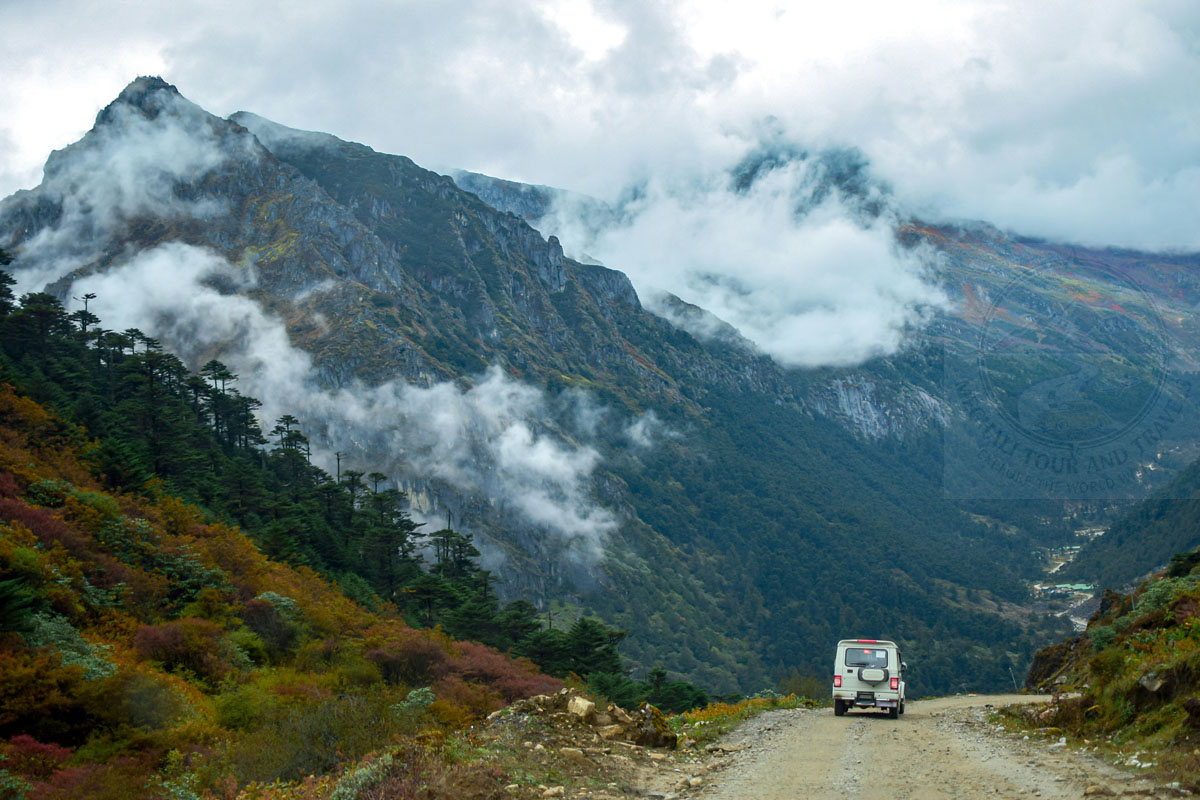
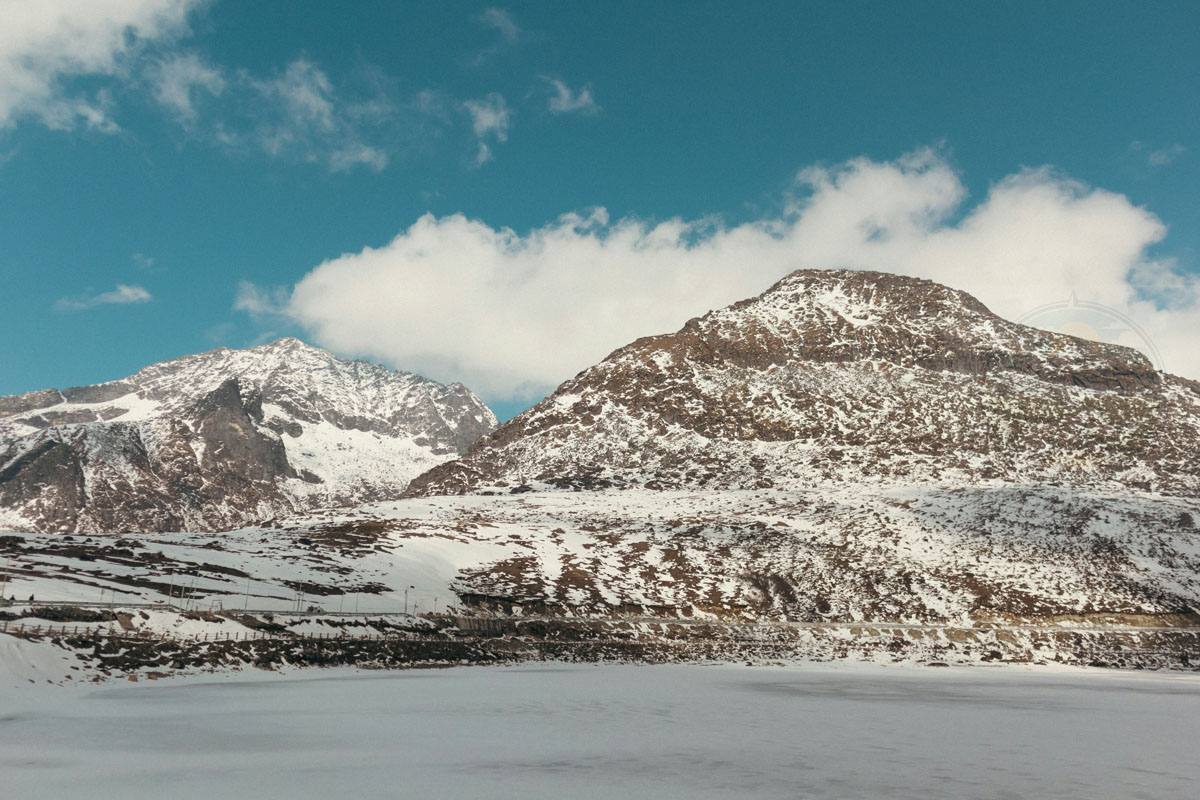
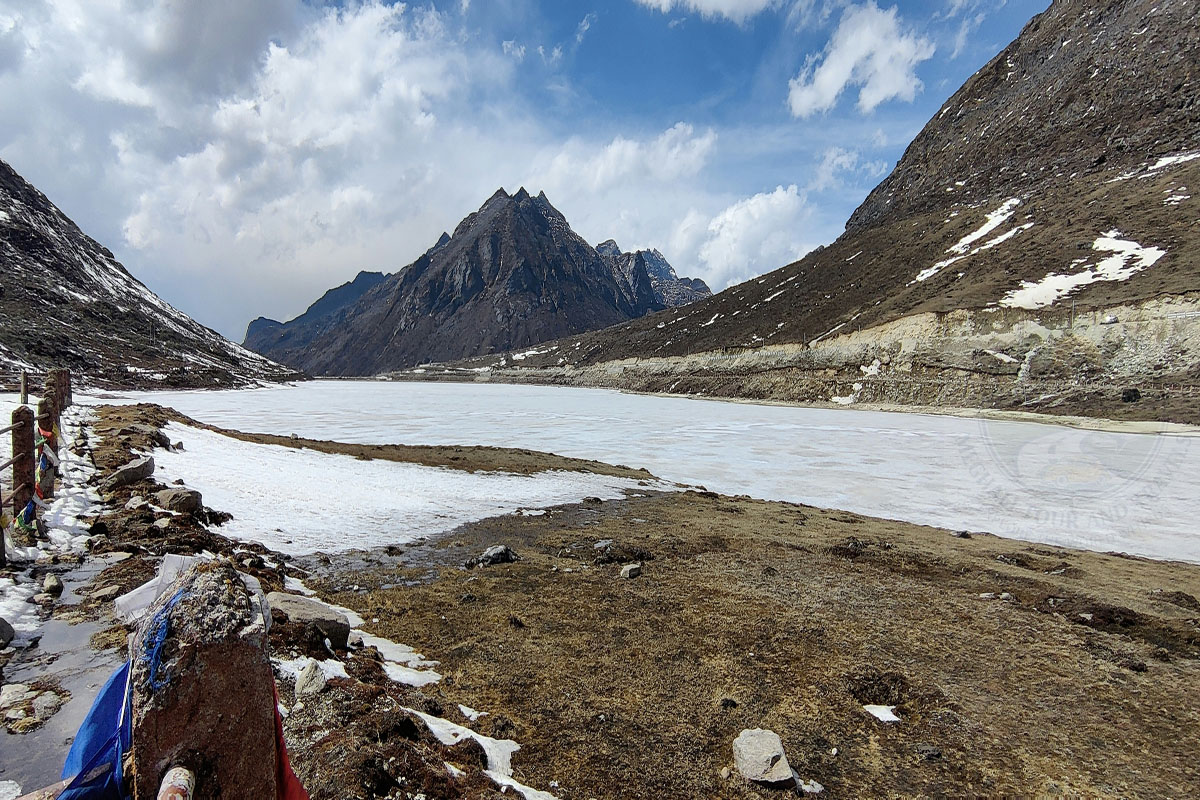
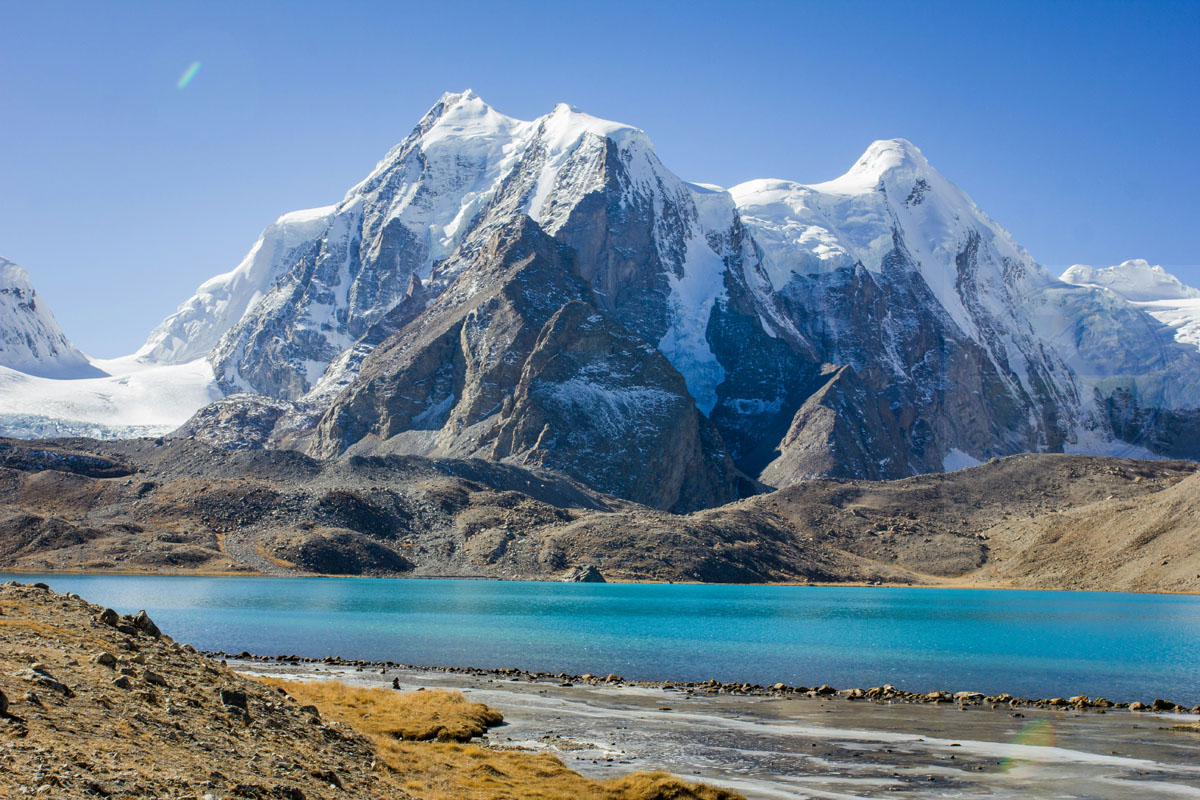
A high-altitude mountain pass at 13,700 feet on the route to Tawang. It is known for its dramatic snow-clad peaks and the serene, often-frozen Sela Lake (Paradise Lake).
India's third-largest national park and a global biodiversity hotspot. It is unique for being home to four big cat species: tiger, leopard, clouded leopard, and snow leopard.
Located at the Indo-China border at 15,200 feet, this pass remains covered in thick snow nearly year-round and offers views of Sangetsar Tso (Madhuri Lake)
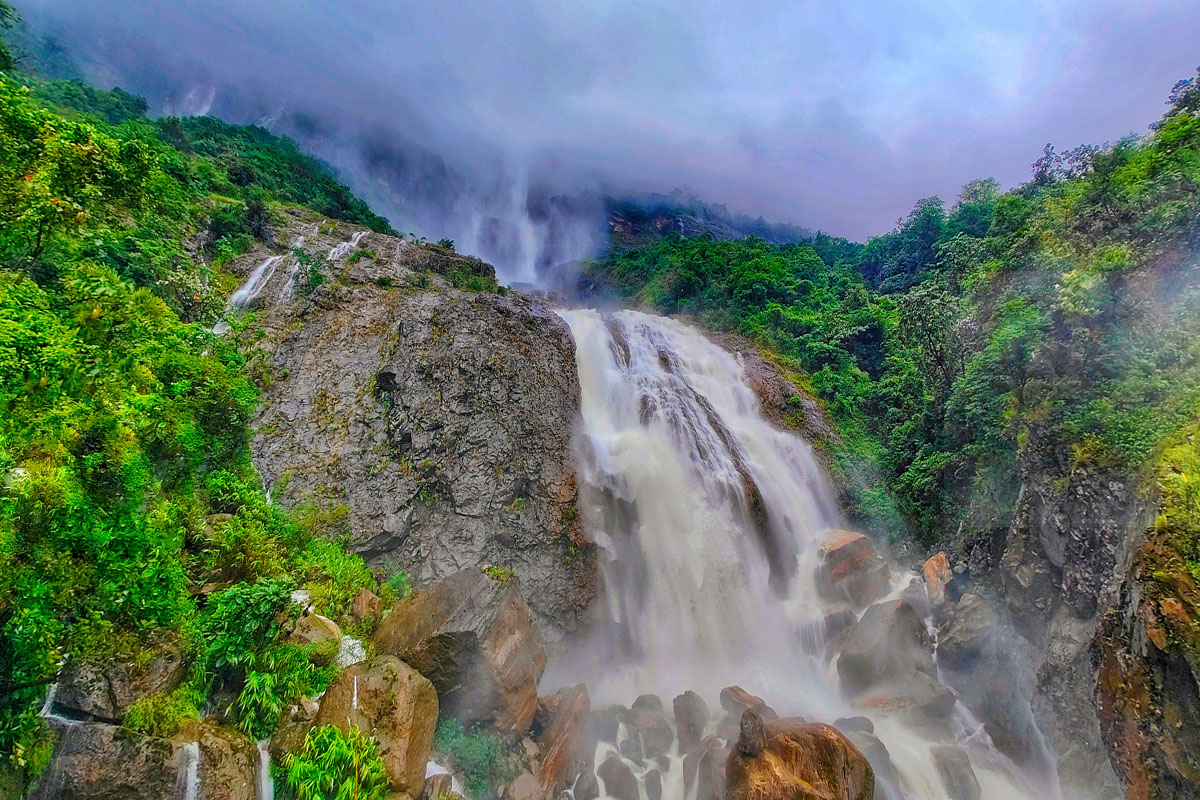
Also known as Bong Bong Falls, this spectacular 100-metre high waterfall is located near Tawang and is a hidden gem for photographers.
The largest monastery in India and second largest in the world, founded in the 17th century. It houses a 28-foot golden Buddha statue and over 1,000 invaluable manuscripts.
A stunning example of Burmese-style architecture spread over 20 hectares, known for its golden domes and spiritual tranquility.
A scenic hilltop near Dirang featuring 108 Buddhist stupas built in a circle, offering 360-degree views of the Eastern Himalayas.
A UNESCO World Heritage site candidate, famous for its picturesque paddy fields and the unique culture of the Apatani tribe. It also hosts the renowned Ziro Music Festival.
Often called "Medicinal Water of Snow," this valley near the Indo-China border is known for its pine forests, the Siyom River, and high-altitude paragliding.
Itanagar (State Capital): Home to the 14th-century Ita Fort (Fort of Bricks), the Jawaharlal Nehru State Museum, and the serene Ganga Lake.
Manipur, known as the "Jewel of India," offers a blend of unique ecological wonders and deep-rooted cultural heritage. The most popular tourist destinations are concentrated around the capital, Imphal, and the scenic Loktak Lake
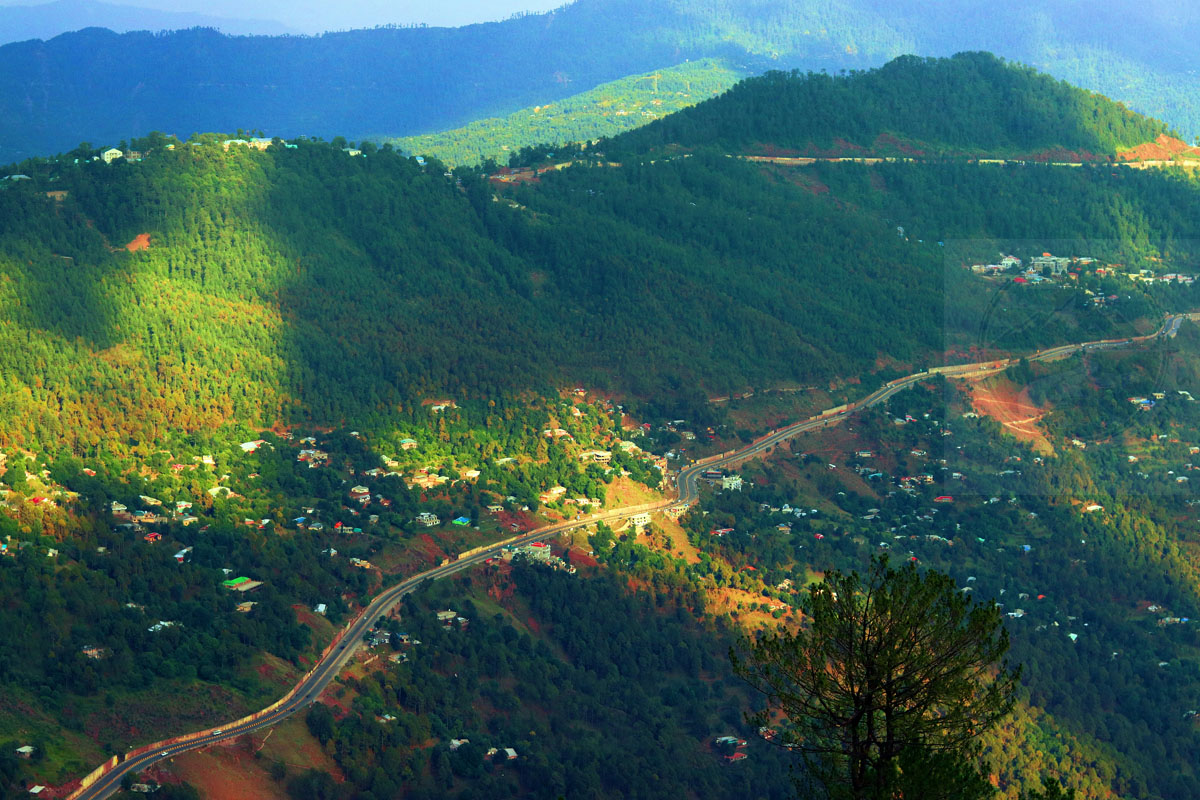
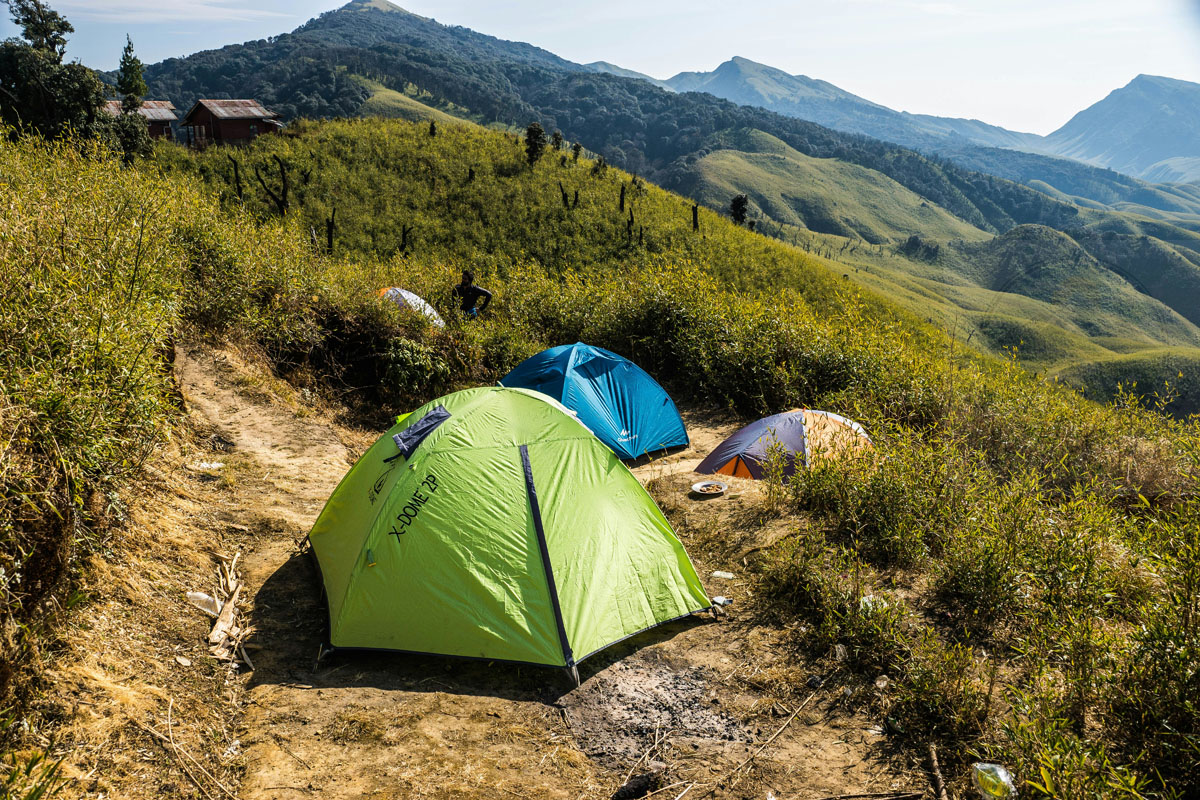
The largest freshwater lake in Northeast India, famous for its phumdis (floating islands of vegetation). Visitors can stay in floating homestays and enjoy sunrise boat rides.
Located on the southeastern shores of Loktak Lake, this is the world’s only floating national park. it is the last natural habitat of the endangered Sangai (brow-antlered deer).
Straddling the Manipur-Nagaland border, this valley is a premier trekking destination known for its rolling grasslands and seasonal flowers.
Also known as Leimaram Waterfalls, these three cascades are surrounded by lush greenery and are popular for picnics and short treks.
A natural limestone cave located in Hungpung near Ukhrul, situated next to the Lungshang River.
Meghalaya, the "Abode of Clouds," is renowned for its diverse natural wonders, including bio-engineered root bridges, crystal-clear rivers, and some of the world's wettest locales.
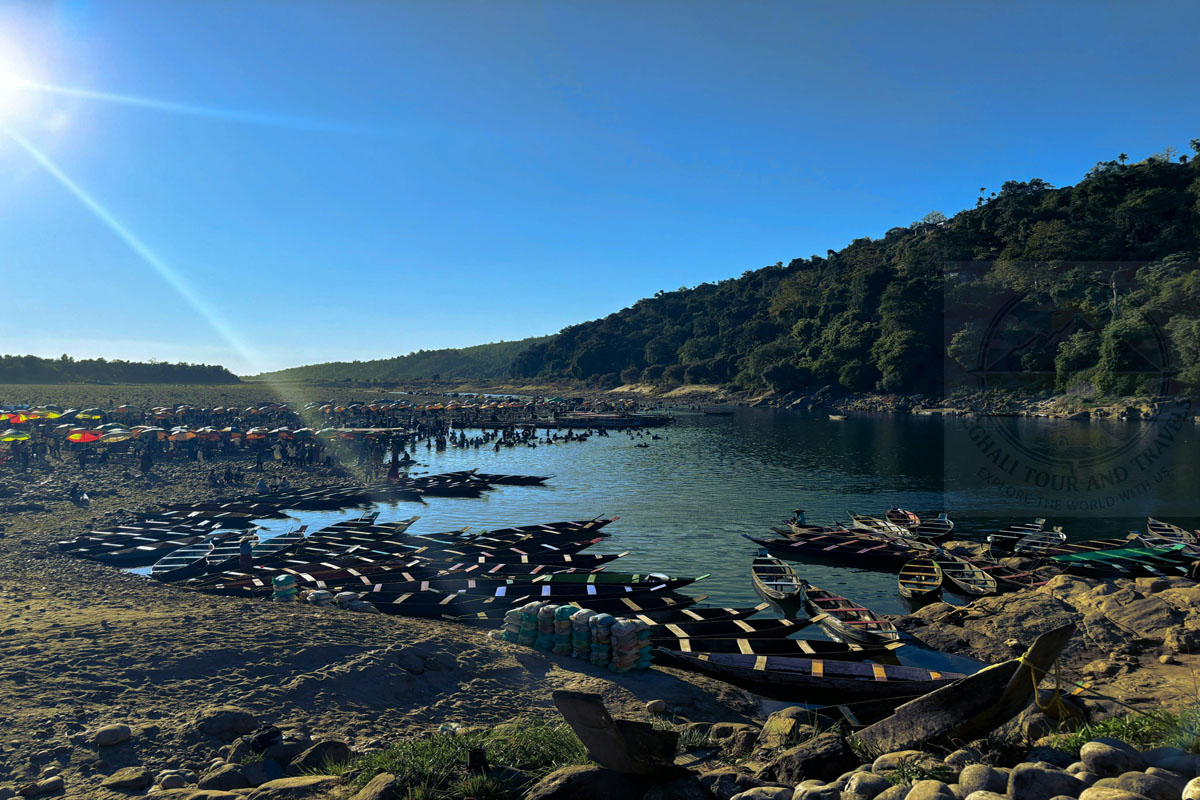
Located in Nongriat Village near Cherrapunji, this UNESCO-listed site is a 3,500-step trek down from Tyrna village.
A more accessible single root bridge located in Riwai village, just a 15-minute walk from Mawlynnong.
Meghalaya is home to hundreds of waterfalls, many of which are most spectacular during the monsoon season.
The tallest plunge waterfall in India, cascading 335 metres into a turquoise pool near Cherrapunji.
A popular three-tiered waterfall in Shillong, featuring well-maintained pathways for easy viewing.
Famous for its stunning blue crystalline waters, located in the Jaintia Hills near Jowai.
Also known as Nohsngithiang Falls, this seven-segmented waterfall plunges from limestone cliffs during the rainy season.
A three-tiered cascade known for its distinct steps and clear emerald water.
Perched on the East Khasi Hills, it offers panoramic views of deep gorges and lush valleys, often called the "Scottish Highlands of the East".
A vast man-made reservoir north of Shillong, ideal for water sports like kayaking and speed boating.
A magnificent valley viewpoint on the way to Cherrapunji, popular for zip-lining.
The highest point in Meghalaya at 1,965m, providing a bird's-eye view of Shillong city and the plains of Bangladesh.
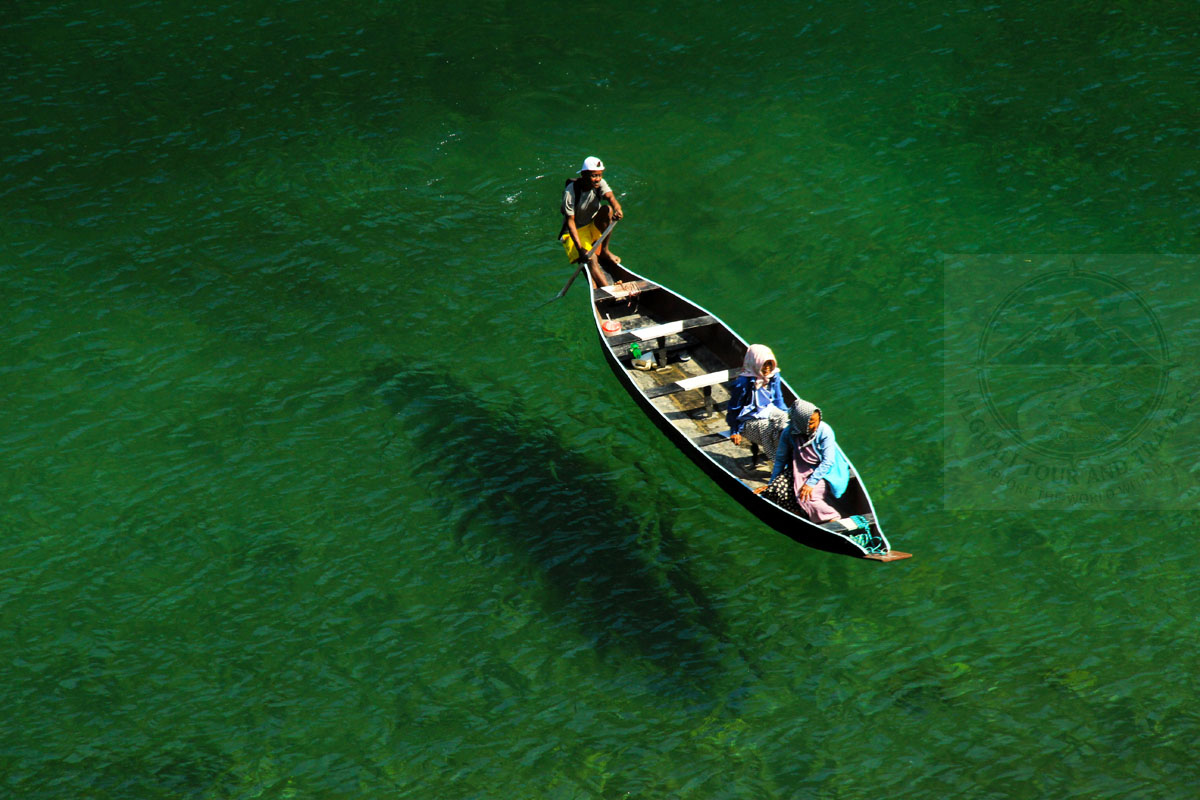
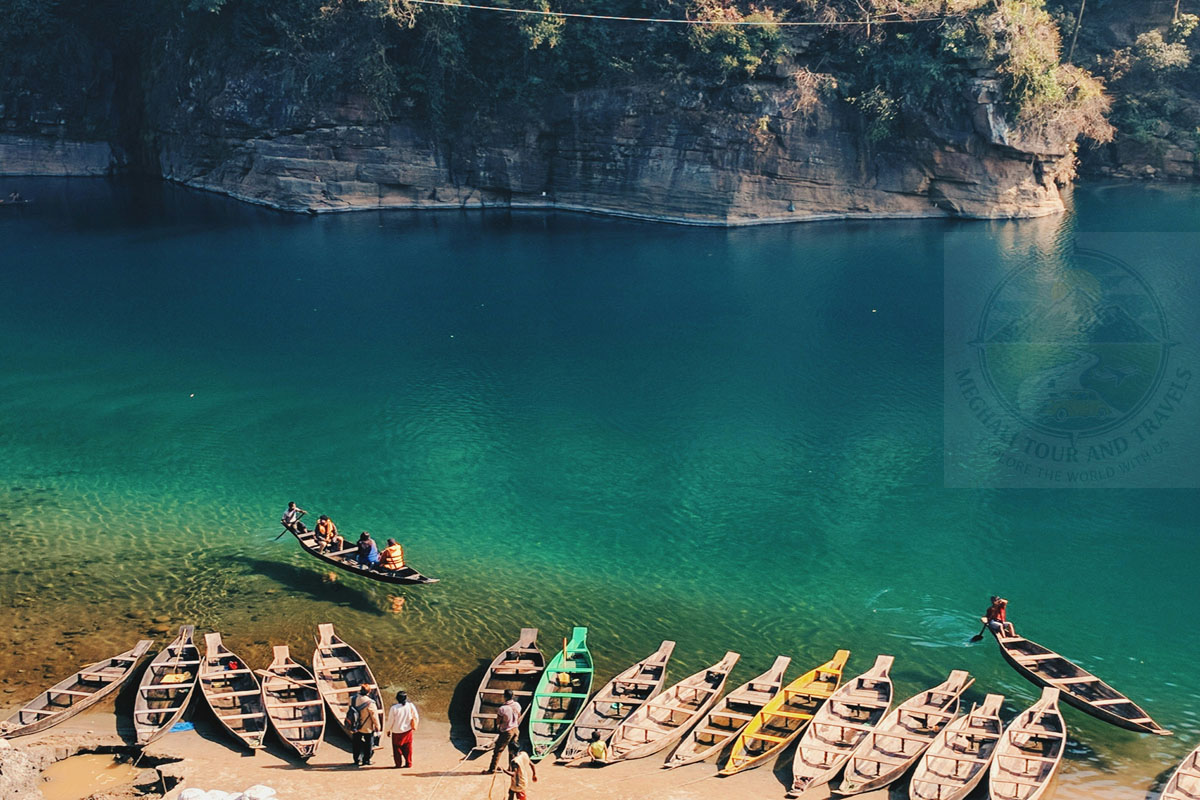
Known as one of India's cleanest rivers, where the water is so clear that boats appear to be floating in the air.
Mizoram, known as the "Land of Rolling Hills," is a serene destination in Northeast India offering a mix of misty mountain peaks, lush bamboo forests, and vibrant tribal culture. For 2026, the state is increasingly accessible via Lengpui Airport and new eco-tourism initiatives.
Perched at 1,548 metres, this peak offers 360-degree panoramic views of the Mizo hills and valleys. A moderate 45-60 minute trek from the
Located near Thenzawl, this is Mizoram's highest waterfall, cascading from a height of 229 metres (750 ft). It is surrounded by thick bamboo forests and can be viewed from a designated watchtower.
A tranquil man-made lake approximately 3-4 hours from Aizawl, ideal for boating, birdwatching, and relaxation.
A grand, white-façade religious landmark in Aizawl. This architectural marvel is a peaceful spot for reflection and offers views of the surrounding verdant hills.
A typical Mizo village that provides insights into the traditional lifestyles and cultures of local tribes.
Often called the "Taj Mahal of Mizoram," this is a beautiful hilltop tomb with a romantic history, offering great views of the city.
Nagaland, known as the "Land of Festivals," offers a blend of rugged mountain terrain, vibrant tribal culture, and historical landmarks. The best time to visit is from October to March when the weather is pleasant and major festivals like the Hornbill Festival take place.
Famous for its emerald-green rolling hills and seasonal flowers, especially the rare Dzukou Lily. It is a premier trekking destination located about 30 km from Kohima
Located 12 km from Kohima, this village hosts the annual Hornbill Festival (Dec 1–10) and features traditional morungs (tribal huts) representing Nagaland's 17 ethnic groups.
A picturesque natural spot where three streams cascade from 280 feet into a pool, ideal for picnics and light trekking.
The highest peak in Nagaland (3,826 m), offering a challenging trek through alpine meadows and dense forests.
Tripura offers a rich blend of royal heritage, ancient archaeological wonders, and scenic hill stations. Key destinations include the stunning Ujjayanta Palace in Agartala, the unique Unakoti rock carvings, and the iconic Neermahal water palace
India’s largest water palace, situated in the middle of Rudrasagar Lake. Completed in 1938, it served as a summer resort and is accessible via a boat ride.
An ancient Shaivite pilgrimage site featuring massive rock-cut carvings from the 7th–9th centuries. The central 30-foot-high Shiva head,Unakotiswara Kal Bhairava, is a major highlight.
Built in 1501 AD, this sacred temple is also known as Matabari. It features a square sanctum modeled after a rural Bengal hut and sits beside the Kalyan Sagar lake.
A vast water body covering 41 sq. km with 48 green islands. Narkel Kunj Island is a popular spot for boating and water sports.
ADDRESS
Bongara, Amartal
Kamrup, Guwahati
Assam-781015
+91 9957810150
+91 9957810150
 meghalitourandtravels@gmail.com
SOCIAL LINKS


Meghali Tour and Travels @2026 All Right Reserved.